
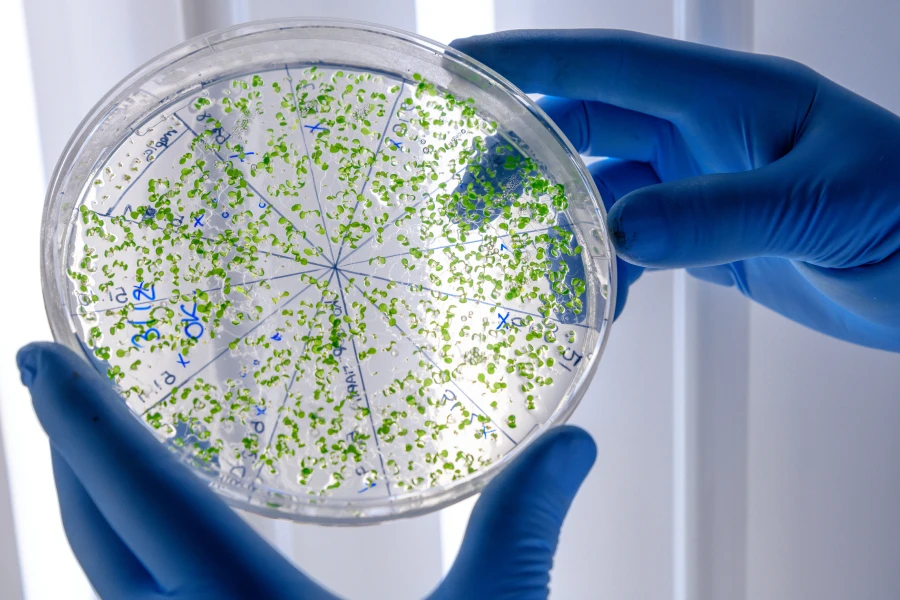
Antimicrobial technology is already part of your daily life, quietly working in the background. From home appliances and sportswear to food packaging and hospital surfaces, this technology helps protect environments and products against the growth of microorganisms, supporting safety and durability. This article explores some of the sectors where it is already present.
Did you know that antimicrobial technology is already part of your routine? Present in home appliances, clothing, hospital surfaces, packaging and even public transportation, this innovation works silently, protecting, extending durability and supporting safety for millions of people every day.
As Industry 4.0 advances, new applications emerge to make materials smarter and more functional. But where exactly is this technology already present? In this article, we explore the sectors that have adopted antimicrobial technology and how it impacts your daily life.
What is antimicrobial technology and why does it matter?
Antimicrobial technology applies particles that inhibit the growth of harmful microorganisms, such as bacteria and fungi, on different surfaces. This advance gives everyday materials self-protecting properties, reducing the risk of contamination and extending product durability.
In hospitals, the food industry or everyday items, this innovation is already transforming several sectors.
Where antimicrobial technology is already present in your daily life
Smart materials are already part of our routine, often unnoticed. Here are some practical examples of how antimicrobial technology is used today:
1. Home appliances with antimicrobial protection
Refrigerators, washing machines and even microwaves already feature antimicrobial coatings that help control bacterial growth. This technology supports hygiene and reduces odors, creating a safer environment at home.
Tip: when choosing home appliances, look for certifications that confirm antimicrobial protection.
2. Sportswear and smart textiles
The technology is also present in the textile industry, especially in sportswear and hospital garments. These smart fabrics help control the buildup of bacteria and fungi, reducing odors and offering greater comfort to the user.
Extra benefit: besides antimicrobial protection, many technology-treated fabrics also offer moisture resistance and UV protection.
3. Safer hospital surfaces and PPE
Hospital environments require high levels of hygiene and microbiological control. Today, antimicrobial technology is applied to contact surfaces such as door handles, stretchers, beds and medical equipment, helping reduce hospital-acquired infections.
Key fact: studies show that 80% of hospital-acquired infections occur through contact with contaminated surfaces. Antimicrobial technology is already helping to reduce this number.
4. Smart food packaging
The food industry is increasingly investing in antimicrobial packaging, which extends the shelf life of food and inhibits the growth of microorganisms that are harmful to health.
Real example: many meat, dairy and fruit packages already contain antimicrobial additives that keep food fresh for longer.
5. Public transportation and high-touch spaces
Bus handrails, airplane seats, elevator buttons and other high-touch points already feature antimicrobial coatings that help limit the spread of germs and bacteria. Cities and companies focused on passenger safety are increasingly adopting this innovation.
Did you know? During the pandemic, several cities around the world began using antimicrobial coatings in subways and buses to reduce disease transmission.
Antimicrobial technology in the future: what comes next?
The advance of Industry 4.0 and the growing focus on safety and hygiene are driving new applications for antimicrobial technology. Sectors such as automotive, construction and cosmetics are already exploring its potential to offer safer and more durable products.
Trends for the coming years:
Antimicrobial cosmetics, such as makeup and creams that are gentler and safer for the skin.
Smart furniture and coatings that inhibit bacterial growth in residential and commercial spaces.
Protected electronic devices, helping keep phones, keyboards and other gadgets more hygienic.
Antimicrobial technology is already part of our routine and will continue to evolve, transforming even more industries and products.
Conclusion
Antimicrobial technology is already present in many sectors, from your home to public transportation. Quietly, this innovation supports greater safety, hygiene and durability in the products you use every day.
As industries increasingly adopt this technology, consumers can stay informed about the new solutions available on the market. At Nanox, we develop technologies that bring this protection from the lab to everyday life.