
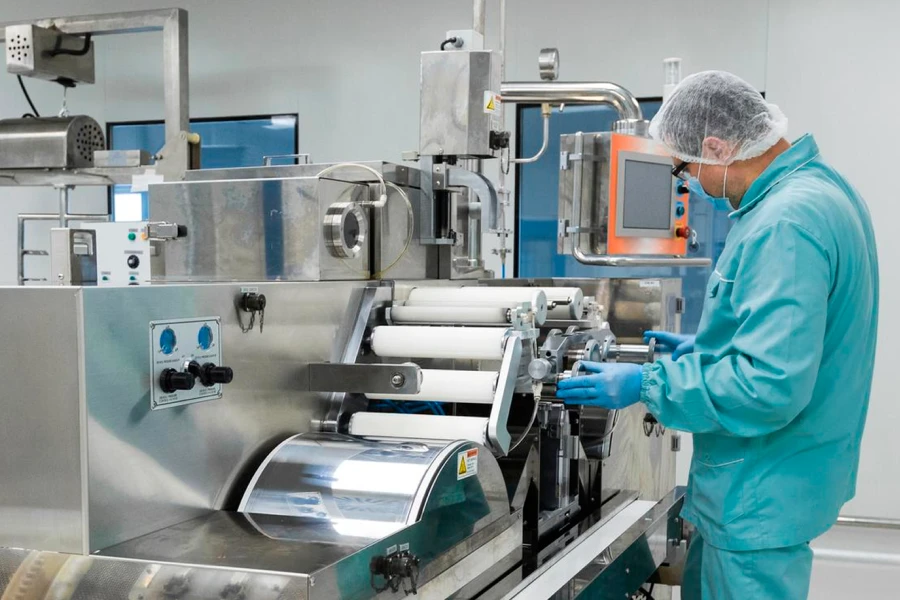
Antimicrobial technology is an innovative way to reduce the risk of contamination outbreaks in industrial environments. Using particles such as silver, it creates a continuous protective layer that inhibits microorganisms. Applied to surfaces, water systems and packaging, it supports workplace safety and helps reduce costs related to sick leave and disinfection.
In November 2024, a contamination outbreak at a footwear factory in Morada Nova, Ceará, Brazil, affected more than 700 employees, infected by bacteria and viruses present in the water and food provided by the company.
This incident highlights the importance of effective preventive measures to limit the spread of microorganisms in industrial environments. Antimicrobial technology offers an innovative way to reinforce workplace safety, reduce the risk of infection and promote occupational health.
The challenge of contamination in industrial environments
Industrial environments are prone to microbial growth due to the constant flow of people, the handling of materials and shared common areas. Key risk factors include:
Water quality: inadequate water quality can carry bacteria and viruses.
Food hygiene: insufficient food hygiene facilitates cross-contamination and the spread of pathogens.
High-touch surfaces: door handles, equipment and common areas can harbor microorganisms for long periods.
These factors increase the risk of contamination outbreaks, directly affecting workers’ health and company productivity.
Antimicrobial technology: a protective layer against microorganisms
Antimicrobial technology uses particles, such as silver, known for their antibacterial and antiviral properties.
Applied to surfaces and materials, these particles:
Act on the cell membrane of microorganisms, compromising their survival.
Inhibit respiratory functions, blocking essential metabolic processes.
Interfere with the replication of genetic material, limiting cell multiplication.
This approach creates continuous protection against the growth of pathogens, significantly reducing the risk of contamination in industrial environments.
Practical applications in industry
Antimicrobial technology can be implemented in different ways:
Surface coatings: antimicrobial layers on high-touch areas such as countertops, door handles and equipment.
Water systems: materials with antimicrobial technology incorporated into water purification and distribution systems, supporting water quality and safety.
Smart packaging: packaging with antimicrobial composites that inhibit microbial growth, extending product shelf life and helping prevent contamination.
Benefits for occupational health and workplace safety
Adopting antimicrobial technology brings important benefits:
Fewer infections: a lower incidence of occupational illnesses related to contamination.
Safer environments: more hygienic and protected workspaces.
Cost optimization: reduced spending on sick leave and frequent disinfection processes.
Conclusion
Preventing contamination outbreaks in industrial environments is essential to protect workers’ health and support operational efficiency. Antimicrobial technology offers an effective and innovative solution, creating protective layers against microorganisms and promoting safer workplaces. At Nanox, we develop solutions that integrate this protection directly into materials and production processes.