
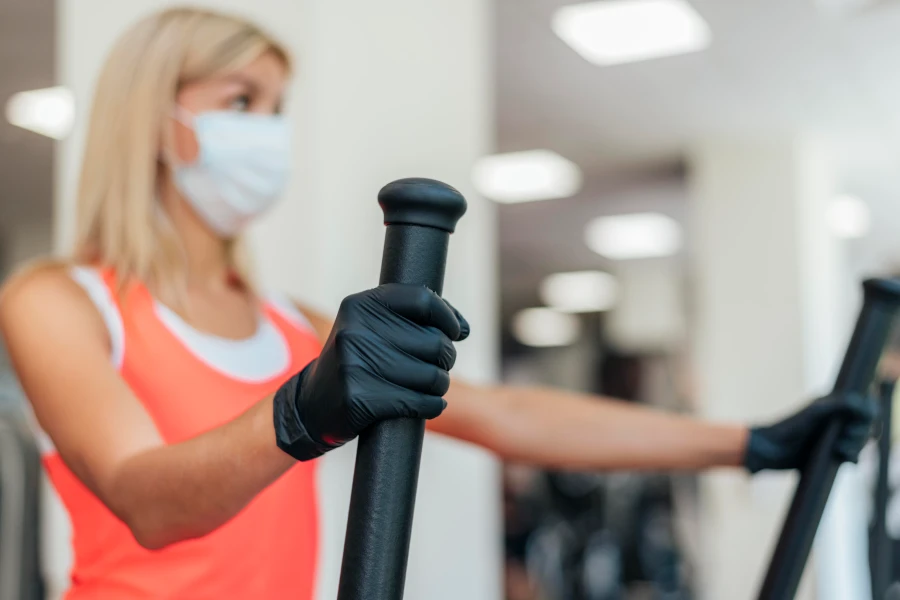
Gyms are prone to contamination due to shared equipment and the moisture from sweat. Antimicrobial technology offers continuous protection on surfaces, inhibiting the growth of microorganisms over time. Besides helping reduce the risk of infection, it improves the user experience and the durability of equipment, making the gym a safer and more distinctive environment.
Gyms and fitness spaces are high-traffic environments where equipment, weights and accessories are shared by dozens or even hundreds of people every day. Constant contact with these surfaces, combined with sweat and humidity, creates favorable conditions for bacteria, fungi and viruses to grow. Even with rigorous cleaning protocols, maintaining complete hygiene at all times is a challenge, which makes these spaces a critical point for contamination.
In this scenario, antimicrobial technology emerges as an innovative way to make gyms safer. Applied to floors, equipment and accessories, it significantly reduces the presence of microorganisms, promoting a more hygienic and comfortable environment for members.
The hidden risk in gym equipment
Studies indicate that some gym surfaces can carry thousands of times more bacteria than a toilet seat. Free weights, treadmills and exercise mats are among the most contaminated items, due to direct contact and the difficulty of continuous cleaning. Sweat and humidity add to this scenario, favoring the growth of microorganisms that can cause skin infections, allergies and even respiratory problems.
Even with regular cleaning recommendations, the frequency and effectiveness of this process can vary. In addition, many conventional cleaning products act only at the moment of application, and germs can quickly return.
Antimicrobial technology: continuous protection for safer workouts
Applied to fitness surfaces and materials, antimicrobial technology creates an active layer of protection that inhibits the growth of fungi and bacteria. Treated materials keep their protection for long periods between cleanings, complementing conventional hygiene, making cleaning more efficient and significantly reducing the risk of contamination.
Where the technology is already applied
This technology is already being incorporated into several elements inside gyms:
Strength and cardio equipment, including bars, dumbbells and treadmills.
Exercise mats and tatamis, where sweat and humidity favor the growth of germs.
Drinking fountains and high-touch areas, such as door handles and countertops.
Sports uniforms and towels, with antimicrobial protection built directly into the fabric.
Besides reducing risks for users, the technology contributes to the maintenance and durability of equipment, minimizing wear caused by the buildup of sweat and biological residue.
User experience and the new era of safer gyms
For gyms, investing in antimicrobial technology brings together hygiene and customer experience. Members are increasingly concerned about the safety of the spaces where they train, and gyms that adopt innovative solutions to reduce contamination earn greater trust and loyalty.
The fitness industry is constantly evolving, and adopting new technologies is a competitive advantage. Gyms with antimicrobial surfaces demonstrate their commitment to members’ health and wellbeing, adding value to their brand and standing out in the market.
Conclusion
Maintaining hygiene in gyms has always been a challenge, and antimicrobial technology helps make these spaces safer and more hygienic on a continuous basis. With innovative applications in equipment, floors and sports accessories, it significantly reduces the growth of microorganisms, offering more protection and comfort for users.
If your gym aims to offer a safer and more innovative environment, antimicrobial technology is the next step. At Nanox, we develop solutions that integrate this protection directly into materials and products.