
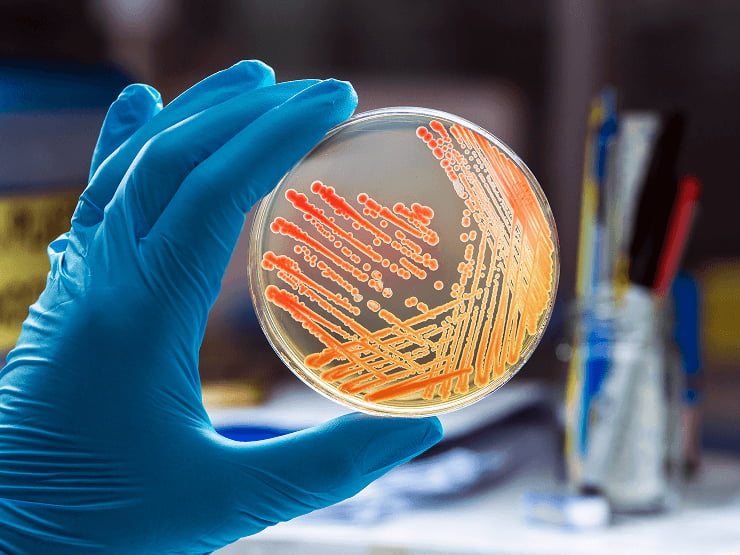
Microbiological contamination is one of the most costly risks in industrial production. It can lead to health crises, product recalls, regulatory fines and lasting damage to brand reputation. Antimicrobial technology offers a preventive approach that supports industrial safety and public health.
The impact of contamination outbreaks
Fines and penalties: Regulatory agencies such as Anvisa, Brazil’s health regulator, apply sanctions to companies with inadequate contamination control. In 2019, for example, Perdigão recalled 164.7 tons of chicken over suspected salmonella.
Loss of reputation: Contamination cases reduce consumer trust and brand loyalty, and rebuilding that relationship takes time and investment.
Recall costs: A recall involves transportation, proper disposal and public communication, which makes the process expensive and complex.
Antimicrobial technology as a preventive measure
This technology uses particles, such as silver particles, to inhibit the growth of microorganisms on surfaces. The particles act in three ways:
- They interact with the bacterial cell membrane.
- They interfere with DNA replication.
- They generate reactive oxygen species, which inhibit enzymatic functions and disrupt the cell membrane of fungi.
Benefits for industry
Contamination control: Antimicrobial particles in packaging help extend product shelf life and reduce cross-contamination.
Cost reduction: Lower contamination risk means fewer expenses with recalls and fines, while protecting the company’s image.
Regulatory compliance: Nanox holds FDA and EPA certifications, which supports alignment with international safety and sustainability standards.
Results in practice
Research on active packaging with antimicrobial technology points to a lower incidence of foodborne illness. Companies that have adopted these solutions report fewer contamination cases and improvements in product quality.
Conclusion
Antimicrobial technology is an effective ally in reducing the risk of health crises and recalls. At Nanox, we develop solutions that support product safety, regulatory compliance and public health, integrated directly into materials and production processes.